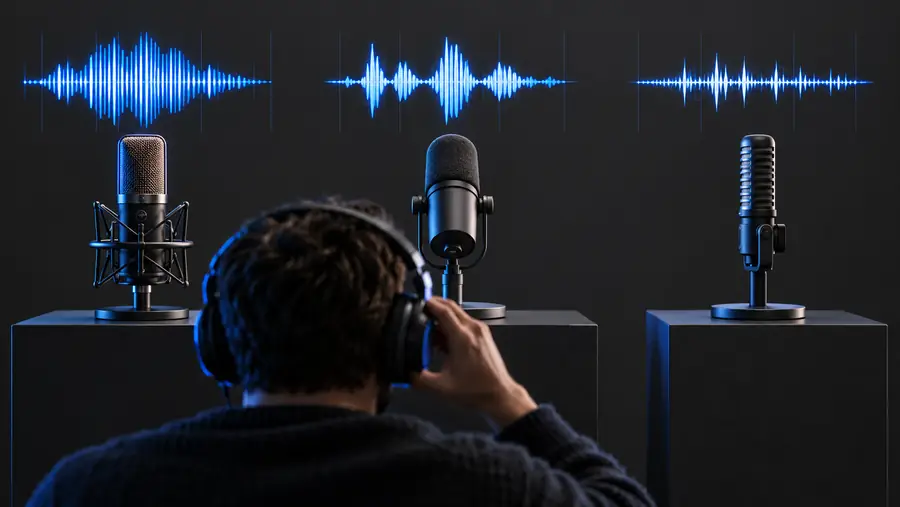
Voice comparison

Which AI Has the Best Voice for Your Project?

If you are asking which ai has the best voice, the useful answer depends on your script and audience. A voice that sounds convincing in a short announcement may be wrong for a long story. Compare candidates using the same text, then judge clarity, delivery, editing effort and permission to use the result.

Voicegenerator visual introducing AI voice creation

Who each voice approach suits

Match the workflow to the listener. The strongest voice for one creator may be the least practical choice for another.

Long-form narrator

A story has dialogue, quiet passages and sentences that need room to breathe. Test an entire paragraph, not just an opening line.

Prioritize consistent pronunciation and pacing over an impressive first impression; note any phrases that need rewriting.

realistic ai voice generator free

Video editor

A voiceover must land on visual cuts and remain intelligible beneath music. Compare short lines at the length your edit actually allows.

Favor speech that is easy to trim without losing its meaning, even if another sample sounds more dramatic alone.

voice generator for edits

Announcement writer

A public message must communicate names, times and instructions without ambiguity. Include those details in every test script.

Choose clean articulation and a measured pace rather than a highly expressive voice that obscures key information.

announcement voice generator

Music maker

A sung line needs pitch, phrasing and musical timing; an appealing spoken sample cannot establish how a vocal will perform in a track.

Evaluate music-specific suitability separately from narration, and confirm the rights needed for the finished work.

best ai voice generator for music

Compare dimension by dimension

A repeatable listening test tells you more than a voice ranking based on different scripts and recording conditions.

Write one demanding script

Use the same short passage for every candidate. Include a name, a number, a question and a sentence with an emotional shift. This exposes pronunciation, clarity and pacing differences that a simple greeting may hide.

Listen in context

Play samples at a similar volume, then place them against the music or visuals you intend to use. Record where you hear awkward pauses, misplaced emphasis or words that require another take.

Count the fixes

Compare how much script rewriting and audio editing each candidate needs. A slightly less striking voice may be the better choice if it delivers the whole passage consistently and fits the project’s usage terms.

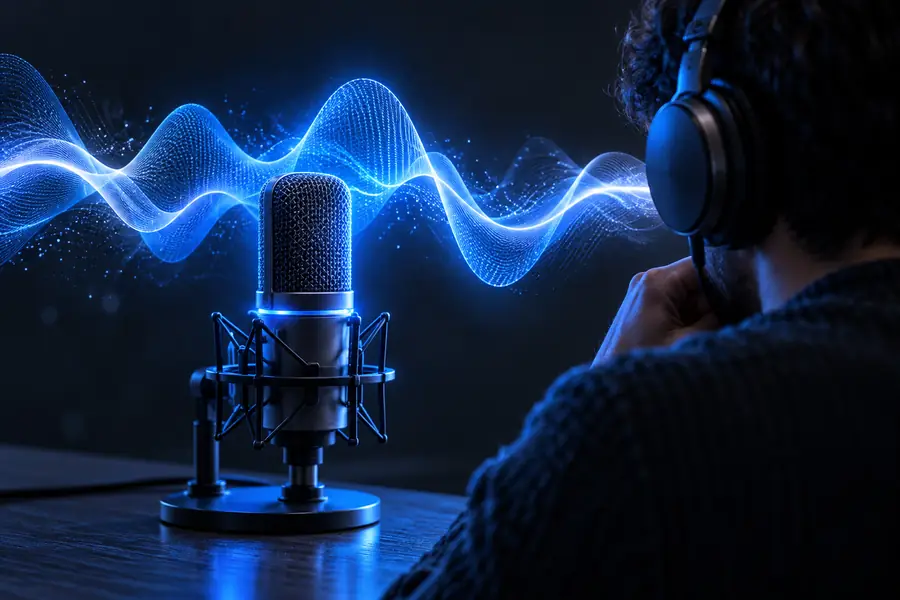
Hear past the polished sample

Treat a showcase clip as a starting point, not proof of how a voice will handle your own writing.

First impression

Illustration representing a first impression of an AI voice sample
Illustration representing a closer review of voice delivery
Script-level review

These illustrations show two stages of evaluation, not audio outputs or a measured before-and-after result. Test your own script to hear whether a promising voice stays clear through difficult words and longer passages.

What a comparison cannot settle

No single listening test answers every production or rights question. Keep these limits separate from your judgment of sound.

It cannot name a permanent winner

Voice models, available styles and product terms can change. A ranking made for a documentary script may not transfer to an advertisement or character scene.

WorkaroundRetest a short passage from each new project and verify the current tool documentation.

It cannot grant voice rights

A voice that sounds suitable may still have restrictions on cloning, impersonation, commercial use or distribution. Sound quality does not establish permission.

WorkaroundCheck the applicable terms and obtain consent before using a real person’s voice or likeness.

It cannot guarantee pronunciation

Proper names, acronyms and uncommon place names can expose errors that were absent from a polished demo.

WorkaroundPut the difficult words in your test script and listen to the complete sentence around each one.

It cannot replace a mix test

Speech heard alone may lose intelligibility under music or effects, especially on a phone speaker.

WorkaroundReview a draft in the intended edit and on the devices your audience is likely to use.

Speech generation versus voice cloning

The table compares two approaches, not particular products. Capabilities and permissions vary by provider, so verify them before committing to a workflow.

Text-to-speech voice Cloned voice
1

Starting point

Text-to-speech voice

Choose a supplied synthetic voice and provide a script.

Cloned voice

Create a voice based on recordings of a particular speaker.

2

Best initial question

Text-to-speech voice

Does this available voice suit the project?

Cloned voice

Do you have permission to use this speaker’s voice?

3

Identity goal

Text-to-speech voice

Find a fitting delivery without reproducing a named person.

Cloned voice

Preserve recognizable qualities of a consenting speaker.

4

Source audio

Text-to-speech voice

Generally not needed to select a supplied voice.

Cloned voice

Typically needed to establish the speaker’s vocal characteristics.

5

Consistency test

Text-to-speech voice

Check that the chosen voice handles your full script well.

Cloned voice

Check both script delivery and resemblance across passages.

6

Primary rights check

Text-to-speech voice

Review the provider’s terms for the voice and intended use.

Cloned voice

Review provider terms and document the speaker’s consent.

7

Practical fit

Text-to-speech voice

A sensible starting point when the message matters more than a specific speaker’s identity.

Cloned voice

Relevant when an authorized project calls for continuity with a particular speaker.

Move from comparison to a working draft

Test a voice against your real script

Take the passage you used for comparison into a voice creation workflow, then listen in the context where the result will appear. Voicegenerator can help you begin that exploration; review the destination’s available controls, access terms and usage rights before relying on it for a project.

  • Bring a representative passage
  • Check difficult words and pacing
  • Confirm terms before publishing

Comparison FAQ

No AI voice is best for every script. Compare candidates using identical text and judge intelligibility, pacing, consistency and how much editing the result needs. Check the intended-use terms before treating a good-sounding sample as your final choice.

Naturalness depends on more than tone: pauses, emphasis, pronunciation and sentence-to-sentence consistency all matter. A strong opening sentence can mask problems that appear later, so listen to a complete passage with varied punctuation.

A supplied text-to-speech voice is a practical option when you need a delivery style rather than a particular person’s identity. Cloning is relevant when you need continuity with a specific speaker and have the necessary consent and usage rights. Test both approaches against the same production requirements.

A demo shows how the voice handles that demo’s script, not yours. Test names, numbers and longer sentences from your own material, then listen with any music or effects you plan to use. Also check whether the workflow and terms fit your project.

Create a voice
Create a voice